


September is traditionally known as Customer Month, a time when companies across all sectors intensify their relationship strategies, launch special promotions, and seek to strengthen ties with their audience. However, this same period of intense commercial activity also represents a time of greater vulnerability to digital scams.
With the significant increase in online transactions and greater digital exposure for both businesses and consumers, protection against cyber fraud has become a shared responsibility. In other words, it's not just about protecting internal data and systems, but about educating and protecting customers, preserving earned trust, and maintaining the reputation built over years of work.
The current landscape of digital threats in Brazil is alarming. The number of digital crimes committed grew between 35% and 45% compared to the previous year, totaling approximately 5 million frauds in 2024. Even more worrying is the data released in September 2024: 24% of Brazilians had already been victims of digital scams , representing more than 40.85 million people who lost money due to cybercrimes.
To better illustrate this worrying scenario, check out the following video. It clearly shows how digital scams happen and what precautions businesses and consumers should take to avoid falling into these traps.
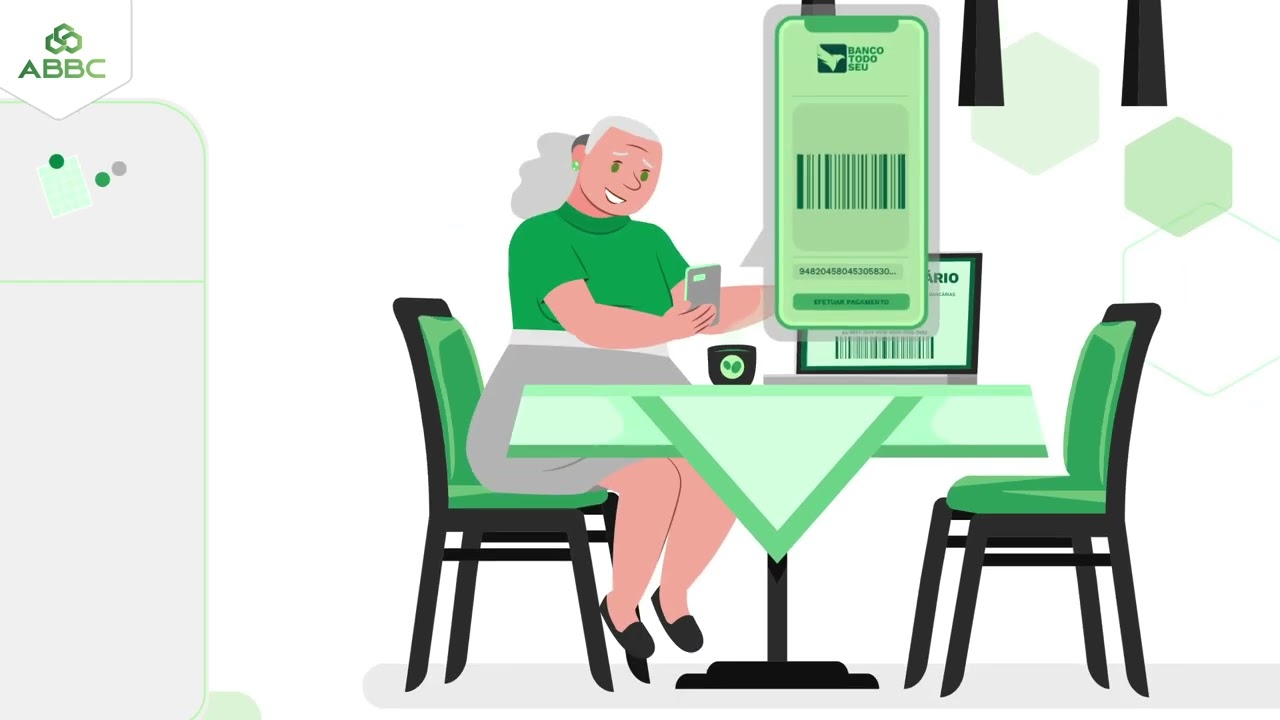
During promotional periods such as Customer Appreciation Month, three types of scams stand out and deserve special attention from both businesses and consumers:
1. Phishing : the scam that imitates your brand.
Phishing remains the main gateway for cybercrime. Between September 2024 and February 2025, there was a 17.3% increase in the volume of phishing attacks carried out via email , which continues to be the primary vector for these scams both in Brazil and worldwide.
Scammers take advantage of legitimate promotional campaigns to create convincing fake versions, deceiving consumers through emails, messages, and social media ads that perfectly mimic official company communications.
How your customers can protect themselves:
- Always check the official sender of promotional emails
- Be wary of "unmissable" offers with very short deadlines
- Never click on suspicious links – always access the company's official website directly
- Check if the website has a security certificate (https://)
- If in doubt, contact the company directly

2. Fake coupons and offers: when the discount seems too good to be true
With the growth of e-commerce, fake websites offering irresistible discounts are proliferating. Studies indicate that around 32% of Brazilian consumers have already experienced some kind of scam involving fake websites that impersonate large retailers to deceive customers with fraudulent offers. These scams become especially effective during seasonal promotions, when consumers are more likely to look for deals online.
Signs your customers should watch out for:
- Discounts of over 70% on popular or newly released products
- Websites with an amateurish appearance or incomplete information
- Lack of clear information regarding the exchange and return policy
- Payment methods that are limited or that do not offer buyer protection
- Suspicious domains that do not match the company's official name
3. Scams via WhatsApp and social media: the trap of the familiar
There were 153,000 cases of WhatsApp scams registered in 2024 , making this the most common method used by criminals. Furthermore, malicious links distributed via instant messaging have become an epidemic, especially during promotional periods when consumers expect to receive special communications from brands.
Guidelines for your clients:
- Check if the company actually sends promotions via WhatsApp
- Confirm through official channels before clicking on any link
- Be wary of messages with grammatical errors or strange formatting
- Never share personal information through unsolicited messages

How can companies protect their customers?
Effective customer protection goes far beyond simply implementing internal security systems. In fact, it requires a holistic approach that combines advanced technology, transparent communication, and ongoing education. Furthermore, companies truly committed to their customers' security recognize that protection must be proactive, not reactive, and that each protected customer strengthens not only the individual relationship but the entire foundation of trust in the brand.
As mentioned at the beginning of the article, in September 2024 it was revealed that 24% of Brazilians had already been victims of digital scams . In this scenario, companies have a moral and strategic responsibility to act as guardians of their customers' security. This means creating technological barriers, facilitating the identification of legitimate communications and, above all, empowering consumers to become active participants in their own protection.
Transparent and educational communication
During Customer Appreciation Month, it is crucial for companies to adopt a proactive stance in educating their consumers about digital security.
Communication strategies:
- Create educational campaigns on how to identify legitimate company communications
- Provide examples of official emails and messages on official channels
- Establish secure communication channels and inform customers about them
- Publish alerts about attempted scams that use the company's brand
Strengthening digital identity
Essential measures:
- Use consistent official domain names in all communications
- Implement security certificates on all company websites
- Maintain verified official profiles on social media
- Create a dedicated security page on the official website

Impacts of digital scams on businesses and customers
Digital scams create a chain of consequences that profoundly affect both direct victims and companies whose brands are misused. Understanding the true extent of these impacts is fundamental for organizations to develop effective protection and response strategies.
In this context, when we analyze the numbers, 5 million frauds committed in 2024 in Brazil as mentioned above, we are talking about millions of individual stories of loss, frustration, and loss of trust. For companies, each customer who becomes a victim of fraud using their brand represents not only immediate reputational damage, but a long-term risk for the entire ecosystem of customer relationships.

Furthermore, the costs of this vulnerability go far beyond the financial losses, creating cycles of distrust that can take years to reverse and requiring significant investments in rebuilding credibility.
For customers: in addition to the financial loss
When a customer falls victim to a scam that uses a company's identity, the impacts go beyond financial loss:
- Loss of trust in the brand, even when the brand is not at fault
- Exposure of personal data that can be used in other scams
- Issues with canceling cards and changing passwords
- Time and energy spent resolving the situation
For businesses: reputation at risk
Direct consequences:
- Association of the brand with fraudulent practices
- Significant increase in customer service inquiries due to questions about communications
- The need for investment in awareness campaigns
- Possible impacts on sales during promotional periods
Hidden costs:
- Emergency implementation of security measures
- Constant monitoring of attempts to counterfeit the brand
- Legal resources to combat fake websites and profiles
- Crisis communication and reputation management
Customer-focused prevention strategies
prevention of digital fraud requires a paradigm shift: instead of focusing solely on protecting internal systems, companies need to invest in the training and proactive protection of their customers. This consumer-centric approach recognizes that the most vulnerable link in the digital security chain is usually the end user themselves, not due to incompetence, but due to a lack of information and adequate tools.
Thus, effective prevention strategies combine ongoing education, accessible technological tools, and streamlined processes that allow customers to easily verify the authenticity of the communications they receive.
Continuing education: the best investment
Creating more conscious customers:
- Develop educational content about digital security for the company's channels
- Hold webinars or lives on how to protect yourself from online scams
- Create safety guidelines tailored to the customer profile
- Include safety tips in newsletters and regular communications
Making authenticity verification easier for the customer

One of the main difficulties customers face is distinguishing legitimate communications from scam attempts. In this sense, responsible companies facilitate this process by creating simple and clear verification mechanisms.
Therefore, it is recommended to create a dedicated verification page. For example, include a specific section on the official website titled “How to verify if it’s true” or “Security Center”. In addition, this page should contain:
- Examples of official company communications
- List of official communication channels
- Step-by-step instructions for verifying authenticity
- Gallery with examples of attempted scams already identified
In parallel, it's important to establish a direct channel for clarification. To do this, create a dedicated communication channel exclusively for security-related questions, which could be a phone number, online chat, or a specific form. Furthermore, ensure that this channel is widely publicized and provides prompt responses.
Additionally, implement verification codes and unique elements in your official communications. This ensures that these elements are difficult for fraudsters to replicate. Possible options include:
- Unique verification codes in important emails
- Specific and registered graphic elements
- Consistent and unique communication patterns
- Digital signatures or visible certifications
In this context, it is important to invest in comparative visual education. To this end, develop visual materials that show genuine versus fake communications side-by-side, thus emphasizing the elements that customers should look for to identify fraud attempts.
Technology at the service of protection
In this sense, companies committed to the security of their customers are investing in advanced technological solutions. DNS filtering tools, for example, can automatically identify and block attempts to access malicious websites that impersonate the company, offering an additional layer of protection.
Furthermore, solutions like Lumiun DNS allow companies to monitor and block fraudulent domains that misuse their brands, protecting both their corporate reputation and customers who could be directed to these malicious websites.
Building a customer-centric protection strategy
To begin, a solid customer protection strategy should be structured around three fundamental temporal pillars: prevention, response, and continuous learning. In this sense, this systemic approach recognizes that digital protection is a dynamic process that requires proactive preparation, rapid reaction when threats materialize, and constant evolution based on experiences and new risk modalities.
With 153,000 cases of WhatsApp scams registered in 2024 alone , it is clear that companies can no longer adopt passive positions regarding the security of their customers. Therefore, it is necessary to develop structured protocols that anticipate threats, respond efficiently to crises and, above all, transform each incident into a learning experience to strengthen the entire protection system.
This strategy should be built with a focus on customer experience, ensuring that security measures do not compromise usability, but rather add perceived value to the relationship with the brand.

Before: prevention and education
Preparing the ground:
- Implement online brand monitoring systems
- Establish clear protocols for identifying fraud attempts
- Establish partnerships with platforms for the rapid removal of fraudulent content
- Develop accessible and didactic educational materials
During: quick and transparent response
When the threat arises:
- Alert customers immediately through official channels
- Provide clear information on how to proceed
- Offer dedicated support to customers who may have been affected
- Maintain transparent communication about the measures taken
Next: learning and continuous improvement
Constantly evolving:
- Analyze cases of attempted fraud to improve prevention
- Collect customer feedback on the effectiveness of the protection measures
- Update educational materials based on new types of scams
- Continuously invest in security technologies
The role of technology in customer protection
In this context, modern technology offers an arsenal of sophisticated tools to create multi-layered protective barriers. Furthermore, when implemented strategically, these solutions operate transparently for the end user, providing robust protection without compromising the customer experience.

Intelligent filtration: an invisible and effective barrier
In this sense, DNS filtering represents one of the most effective technologies for proactive customer protection. In fact, this solution acts as a digital guardian that intercepts attempts to access malicious websites before they can cause harm.
In terms of how it works, when a client tries to access a website, the DNS system is the first point of reference to translate the domain name into an IP address. Furthermore, intelligent filtering solutions take advantage of this moment to check if the destination is secure, automatically blocking websites known for fraudulent activity.
Direct Benefits for the Customer
- Automatic phishing protection without the need to install software
- Blocking websites that imitate well-known brands
- Prevention against downloading malware from compromised websites
- Real-time filtering of malicious content
In this context, companies that adopt solutions like Lumiun DNS can offer an additional layer of protection to their customers. Furthermore, the system automatically identifies and blocks fraudulent domains that attempt to impersonate the brand, thus creating an effective barrier against scams that rely on redirecting users to malicious websites.
Proactive brand monitoring
In this sense, automated monitoring systems continuously scan the internet for misuse of corporate identity, thus allowing for a rapid response to fraud attempts.
In terms of detection, advanced algorithms identify similar domain registrations, the creation of fake profiles on social networks, as well as phishing campaigns that use the brand's visual elements.
Additionally, artificial intelligence systems can identify suspicious patterns in online communications, thus detecting coordinated fraud attempts even when they use sophisticated variations of the company's identity.
Finally, many platforms allow for automated actions when threats are detected, such as immediate notification of responsible teams, requests for removal of fraudulent content, and automatic alerts for customers.
Preparing your customers for the digital future
The landscape of digital threats is evolving at an exponential rate, driven by emerging technologies such as artificial intelligence, the Internet of Things, and virtual reality. Truly protective companies not only solve current problems but actively prepare their clients to face the security challenges yet to come.
Furthermore, this future-proofing goes beyond simply informing about new threats. It involves developing fundamental digital critical thinking skills in customers, building supportive communities, and implementing technologies that automatically adapt to new types of risk.
With a 45% increase in cybercrime in just one year, it's clear that future threats will be even more sophisticated and frequent. Therefore, companies that invest today in preparing their customers for this digital future not only protect business relationships but also contribute to building a safer and more reliable digital ecosystem for society as a whole.
Scam trends your customers should be aware of
Emerging threats:
- Deepfakes used in fake video calls
- Scams using virtual assistants and smart devices
- Exploiting vulnerabilities in digital payment applications
- Targeted phishing based on data collected from social media
Building a community of secure customers
Long-term strategies:
- Create groups or communities where customers can report attempted scams
- Establish reward programs for customers who identify fraud
- Developing safety ambassadors among the most engaged customers
- Promoting a culture of digital security as a brand value
Customer Month as an opportunity for protection
In this context, Customer Day and the entire month of September represent a unique opportunity for companies to demonstrate their true commitment to the well-being of their consumers. More than offering quality products and services, responsible companies invest in the safety and education of their customers.
Furthermore, with approximately 50% of people who experience attempted scams actually becoming victims, digital protection is not just a technical responsibility, but a moral duty of companies towards their customers. Those that manage to balance attractive promotions with digital security education gain not only sales, but lasting trust.
Finally, investing in protection technologies, such as smart DNS solutions , and in ongoing customer education represents more than just a security measure; it's an investment in the sustainability of customer relationships and the sustainable growth of the business.


