International Women's Day , celebrated on March 8th, is a significant date to reflect not only on achievements throughout history, but also on the persistent challenges they still face in various spheres of society. In this sense, it is a time to celebrate the victories achieved in the fight for gender equality, including women's advancements in cybersecurity.
At the same time, the need to continue advancing in areas such as equity in the labor market, education, and the recognition of rights is highlighted. Furthermore, in the cybersecurity sector, this reflection is even more important, given the growing impact of technology on our lives.
In the field of cybersecurity, women have played an increasingly essential role. Not only in data protection and the prevention of digital threats, but also as leaders of technological innovation and the creation of safer solutions for digital society.
Furthermore, they have been pioneers in developing new defense strategies, contributing new perspectives to solving the complex cyber challenges we face today. However, although the cybersecurity sector is still predominantly male, the female presence is growing, with more women in leadership positions and technical roles.
Thus, this article celebrates the women who are shaping the future of cybersecurity and highlights the importance of more women in this sector. It is important to support and encourage female participation and their prominence in this vital field for the digital future.
Women in Cybersecurity: Breaking Barriers and Creating the Future
In recent years, the presence of women in the field of technology and cybersecurity has remained stable. For example,ISC2estimated that thepercentage of women in the sector is in the range of 20% to 25%. Furthermore, although there is no organization that specifically tracks this metric, ISC2's figures coincide with theCybersecurity Ventures Women in Cybersecurity Report, which revealed that in 2022, women held 25% of positions in the cybersecurity sector globally.
Source: Women in Cybersecurity
One positive trend is that ISC2 expects this percentage to increase as more young people enter the profession. In this regard, the data showed a higher representation of women in the group of respondents aged39 to 44(16%), with the percentage increasing as age decreases, reaching 26% among professionals under 30 years old.
Source: Women in Cybersecurity
On this International Women's Day, it's crucial to recognize the impact of women who are leading in the cybersecurity sector. After all, they not only protect data and systems, but they break down barriers and inspire new generations of women to enter a field that is important for the digital future. So, let's get to know them!
1. Cristine Hoepers: National leadership in cybersecurity
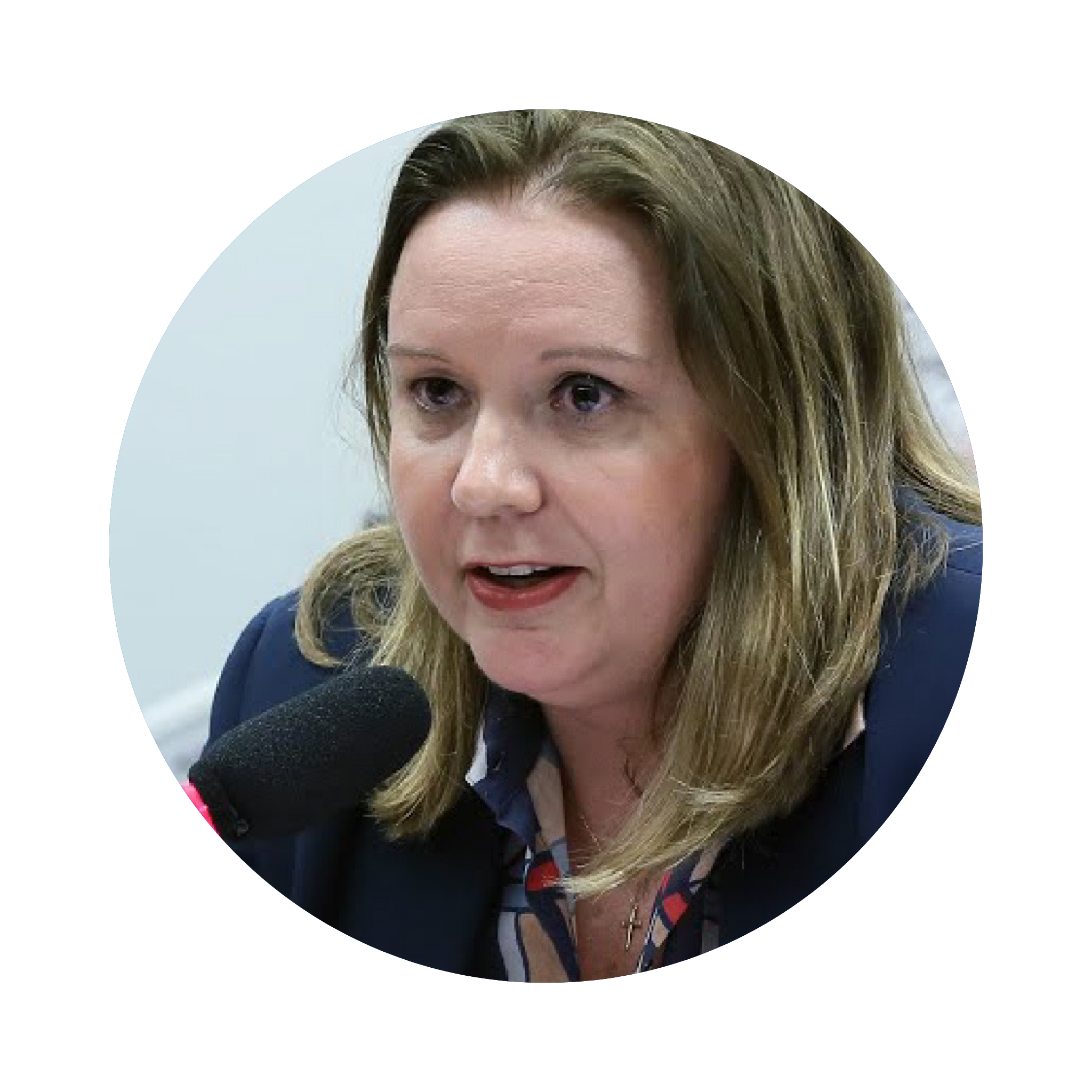
Cristine Hoepers is one of the most influential women in cybersecurity in Brazil . Based in São Paulo, she serves as General Manager of CERT.br , coordinating incident response in the country. This role is essential for protecting Brazil's digital infrastructure. Specifically, CERT.br is responsible for monitoring and responding to cyber incidents affecting both ordinary users and large corporations.
In addition to her executive duties, Cristine has dedicated herself toeducation and awareness about cybersecuritythrough events, workshops, and initiatives aimed at training professionals in Brazil. In this sense, her contribution goes beyond technical management: she has been a champion of strengthening national cybersecurity, ensuring that the country is prepared to face increasingly complex cyber challenges.
2. Tatiana Revoredo: a pioneer in blockchain and digital security
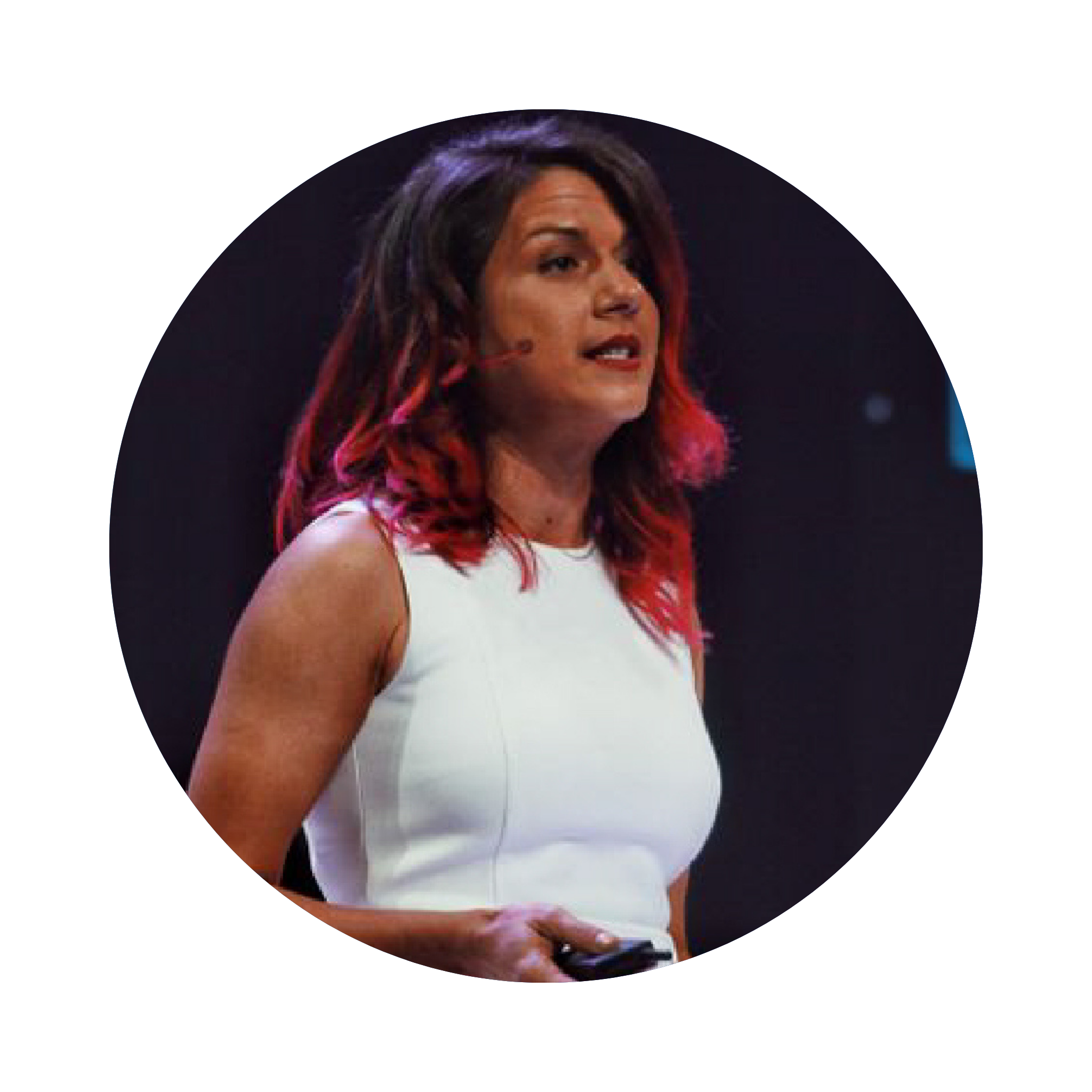
Tatiana Revoredois one of the leading experts in blockchain and digital strategy , emerging fields that are redefining how information is protected and shared. Based in São Paulo, Tatiana is a founding member of the Oxford Blockchain Foundation , a founding member of Innoveum , and co-founder of The Global Strategy , institutions dedicated to promoting the study and development of blockchain technology.
Furthermore, as an international speaker and author, Tatiana shares her vast knowledge on how blockchain can be used to createmore robust and reliable security solutionsin various sectors, from finance to healthcare. In this sense, she is anadvocate for technological innovationaimed at transforming digital security, making systems more transparent and resilient to attacks.
Lucimara Desiderá is a cybersecurity specialist with a career focused on protecting corporate systems and data. Based in São Paulo, she works as a Security Analyst at CERT.br / NIC.br , focusing on Outreach and Internet Security Awareness . Her experience ranges from implementing cybersecurity best practices to developing security policies for large organizations.
She is also co-chair of the Latin American and Caribbean Anti-Abuse Working Group (LAC-AAWG) and collaborates with international organizations such as LACNIC, LACNOG, FIRST, and M3AAWG , promoting the adoption of security best practices and developing support materials. Furthermore, she played a key role as chair of the program committee at the 32nd Annual FIRST Conference in 2020, one of the largest global gatherings of cybersecurity professionals.
Lucimara is a key leader in disseminating practices that help companies protect themselves against the most current digital threats, empowering security teams and strengthening cybersecurity in Brazil and abroad.
4. Carolina Bozza: a standout in cybersecurity in Latin America
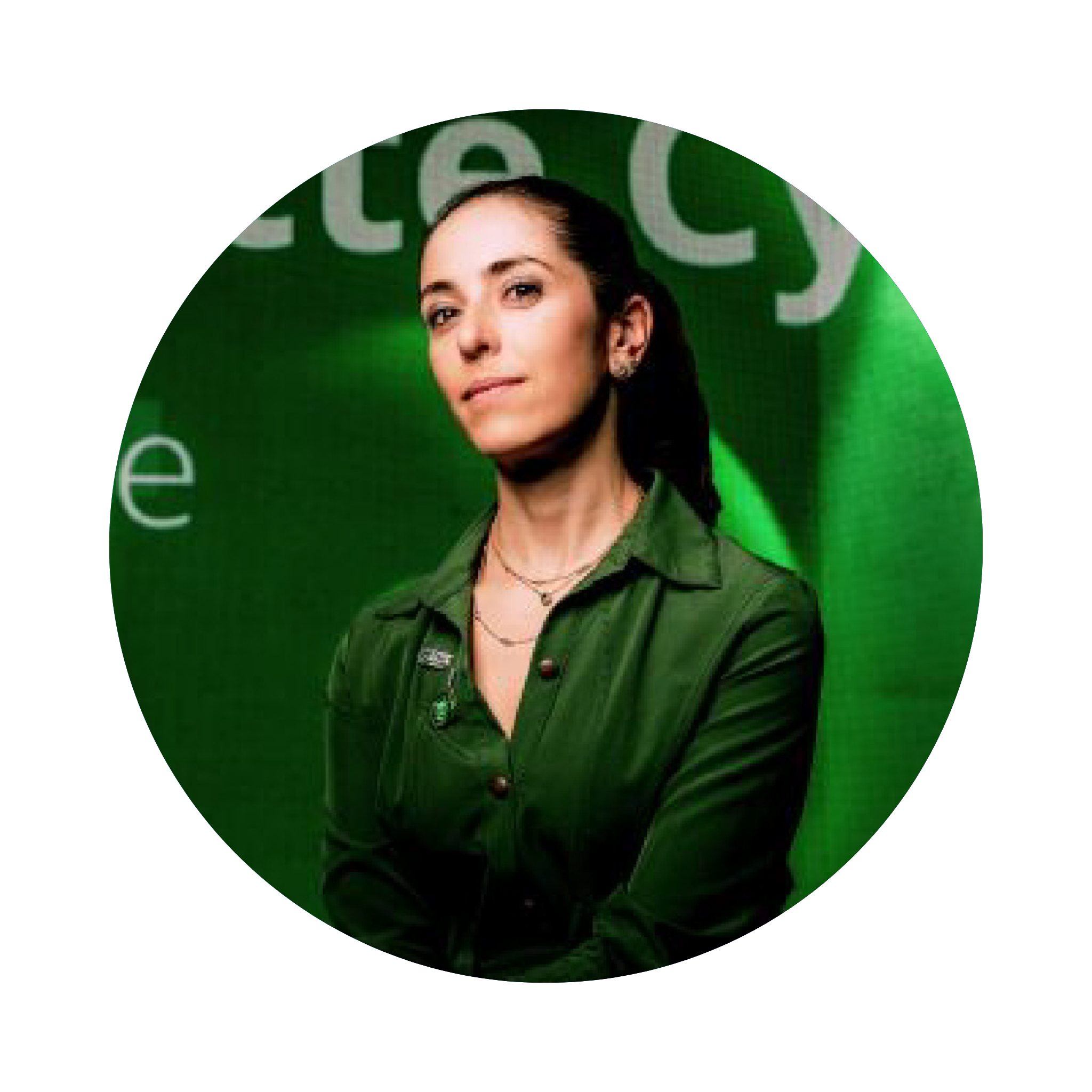
Carolina Bozza is recognized as one of the Top Women in Cybersecurity – Latin America and holds the position of sales executive at Proofpoint. Based in São Paulo, she has played a fundamental role in the development of user-focused security (human-centric security), one of the main challenges of modern cybersecurity. Even more so in a market where digital attacks are increasingly sophisticated, Carol has been an important leader, helping companies protect their systems and data in the digital environment.
Carolina Bozza's presence in cybersecurity exemplifies the importance of gender diversity in the sector. In this regard, she has contributed to the development of innovative solutions while simultaneously working to inspire and support women who wish to pursue careers in technology.
5. Katie Moussouris: Transforming Cybersecurity with Bug Bounty Programs
Katie Moussourisis a pioneer of bug bounty programs , systems in which ethical hackers are rewarded for identifying security flaws in software and systems. Based in Kirkland, Washington, USA, she is the founder of Luta Security and has been an advocate for collaborative cybersecurity, encouraging the hacker community to help improve the defenses of companies around the world.
Furthermore, her experience in both the public and private sectors, including stints atMicrosoftand theU.S. government, has made her aninfluential leader in cybersecurity policymaking. In this regard, Katie has contributed significantly to shaping the future of digital security, with a constant focus oncollaboration and strengthening global defenses.
6. Parisa Tabriz: Google’s “Security Princess”
Parisa Tabriz is one of the best-known leaders in the security sector , serving as Director of Engineering at Google . Based in Mountain View, California, USA, she is known as the "Security Princess" and leads the team responsible for the security of Google Chrome, the most widely used internet browser in the world.
Parisa is an active advocate forgender diversityin the technology sectorand uses her platform to inspire other women to get involved in cybersecurity, breaking stereotypes and encouraging the inclusion of more female voices in technology.
7. Eva Galperin: digital privacy advocate
Eva Galperinis the director of cybersecurity at the Electronic Frontier Foundation (EFF) . Based in San Francisco, California, United States, Eva specializes in protecting data against surveillance and attacks , with a particular focus on defending activists and journalists, who frequently face digital threats in their work.
She is recognized for her leadership in campaigns against mass surveillance, as well as for being acentral figure in the protection of digital rights. In this sense, Eva uses her position to educate about the importance of digital privacy, transforming the way people and organizations approach the protection of their data in the information age.
8. Joanna Rutkowska: Innovation in Hardware and Software Security
Joanna Rutkowska is one of the most respected experts in hardware and software security , having founded Invisible Things Lab. Based in Warsaw, Poland, she is the creator of Qubes OS , an operating system designed with an emphasis on security through isolation , using virtualization to create secure computing environments.
Joanna is a pioneer in the field of cybersecurity, and her research on how to isolate operating systems has become a major benchmark in protection against sophisticated attacks. Her work continues to influence how the industry thinks about systems security, with innovative solutions that protect data and digital infrastructure.
The role of women in cybersecurity: progress, challenges, and inspiration
International Women's Dayisnot just a celebration of women's achievements, but an opportunity to reflect on the importance of diversity and inclusion, especially in technical fields such as cybersecurity. Women like Cristine Hoepers, Tatiana Revoredo, Desirée Baptista, Carol Bozza, Katie Moussouris, Parisa Tabriz, Eva Galperin, and Joanna Rutkowska have made a significant difference, leading innovations, creating security solutions, and protecting our digital presence.
Despite the gender disparities that still exist,the advancement of women in cybersecuritydemonstrates that technology is transforming and opening up new opportunities.By recognizing and supporting the work of these women, we are helping to build a more equitable and innovative sector.
On this International Women's Day, we celebrate not only these exceptional leaders, but all women who, in every part of the world, are contributing to a safer and fairer digital future.