



We've all been through Black Friday, whether through a positive or negative experience (which led to the date becoming known as Black Fraud). This year in Brazil, Black Friday will take place on November 25th , generating a great deal of anxiety among consumers.
The main strategy of commerce and the market in general at this time is to create great anticipation among consumers regarding the discounts and opportunities that will be offered on this date. Due to its proximity to the end-of-year holidays, Black Friday uses the hook of Christmas to sell more.
Due to the culture of celebrating Thanksgiving , which is celebrated on the last Thursday of November, it became established in the United States that the following Friday would be Black Friday. The goal of the stores is to clear out all their inventory to offer new products for the end-of-year holidays.
Black Friday is definitely a special date
In Brazil, this event was first recorded in 2010. At the time, there was extensive publicity to boost sales, and many consumers took advantage of the opportunities to purchase products with substantial discounts. However, even at its launch, several attempts at fraud by stores were observed , such as increasing the price of products on the eve of Black Friday in order to offer discounts the following day.
This and other abusive practices ended up making the date known as Black Fraud. Many people noticed these attempted scams and began to publicize them through social media and other communication channels in order to warn other consumers. For this reason, the "pejorative" term gained even more visibility, becoming an even greater reference than the objective of the event itself.
Although it represents a great opportunity for consumers to purchase products and services at significant discounts, it's very important that people remain vigilant during this time of year. This includes not only price fraud but also the information security risks this event can present. Take a look at this report to better understand how phishing scams can be carried out at this time of year:
Phishing vs. craving for discounts
Many regulatory and supervisory bodies warn about attempted scams and traps that can be set during "Black Friday." Many fraudsters take advantage of this time of year to set traps and obtain confidential data and information , such as personal documents, credit card numbers, and sensitive company information (such as tax data, employee records, financial reports, among others).
For this reason, even though there is a great desire for discounts, people need to be very careful about the risks during Black Friday . It is necessary to pay attention to emails and messages received , especially when they contain redirect links or attachments to download.
This content is a real trap for users, created exclusively to fraudulently collect data and facilitate various types of scams. Cybercriminals create fake pages identical to the originals to deceive users , or disguised emails that can mislead victims into providing confidential information.
This practice is known as phishing , and it has been used since the 1990s, when the internet began to gain prominence. During Black Friday, criminals take advantage of consumers' desire for discounts and promotions, creating fake emails, banners, and websites to collect information and commit fraud. For this reason, it is very important that consumers know how to differentiate between what is real and what may be a fraud attempt.
How to identify fraud during "Black Friday"?
Phishing is one of the most common scams during this time of year , putting confidential information and banking details at risk. This is because, in their desire to obtain discounts and attractive offers, customers often do not pay attention to the websites they are accessing.
Although PROCON provides a robust list of malicious websites to protect customers, it is essential that users pay attention to certain details that help identify fraudulent sites. For example, it is very common for criminals to create pages identical to the originals , using a very similar domain, modifying only one letter to make it as realistic as possible.
Due to the immense number of phishing scams perpetrated during this time, users should pay close attention to the websites they visit and the content they receive that seems suspicious. Below are some tips to help identify potential traps and fraud attempts:
1. Many cybercriminals use senders who are in the victim's own contacts to make the sent content seem secure. For this reason, even if you know the sender, be suspicious of content that seems too personal or that comes from people with whom you do not have frequent contact.
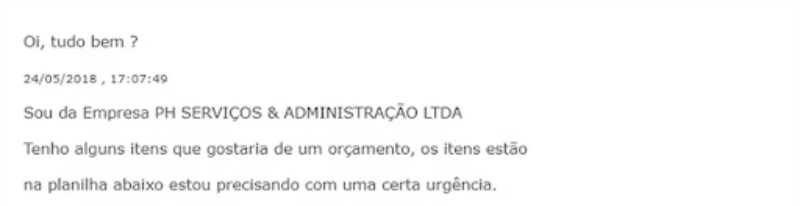
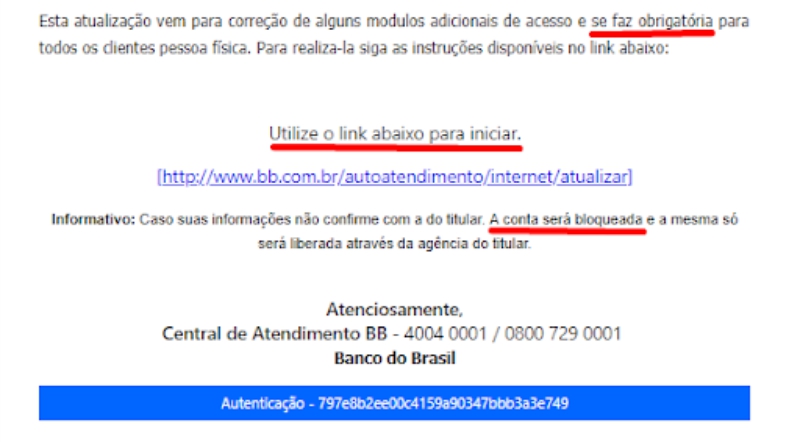
2. To trick users into clicking on links and attachments in phishing emails, cybercriminals craft threatening content. These messages are written in a menacing and imperative tone, designed to lure the victim into falling for the scam. An example of this is a "Security Warning" email, which urges users to access their account immediately or change their password due to an imminent risk of intrusion.
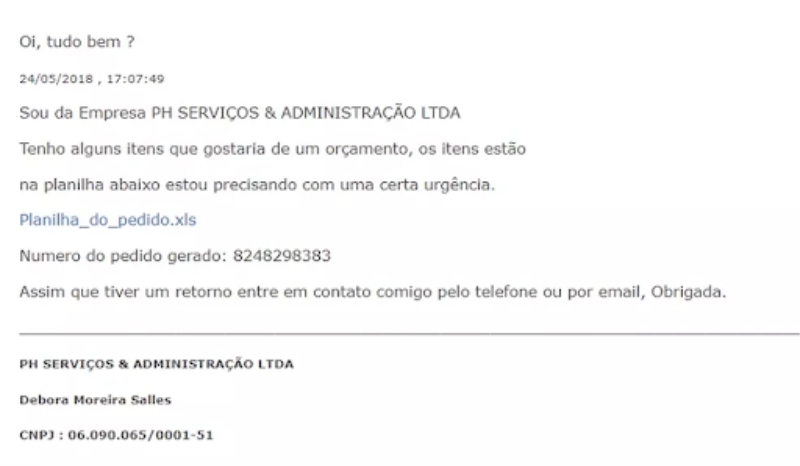
3. Unexpected and unusual attachments are a major sign that it's a phishing attempt. During Black Friday, criminals send discount coupons, vouchers, invoices, order confirmations, and other tricks to deceive users.
4. Pay close attention to the links and redirect pages in the emails you receive, in order to verify if they are legitimate pages.
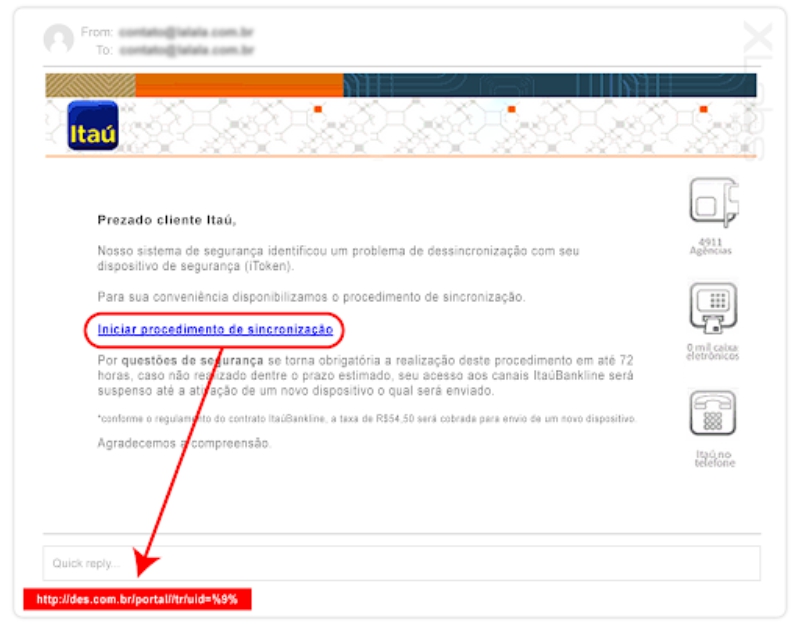
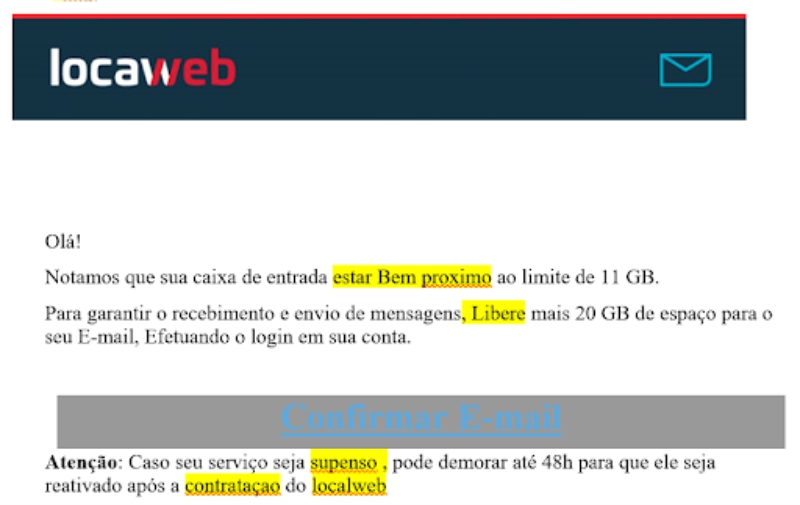
5. Check the email for any grammatical errors , which are very common in this type of scam.
6. By using sponsored links , cybercriminals are able to make their fake pages stand out in search engines. For this reason, when searching for a website or store, carefully check the address you type to avoid landing on a fraudulent page.
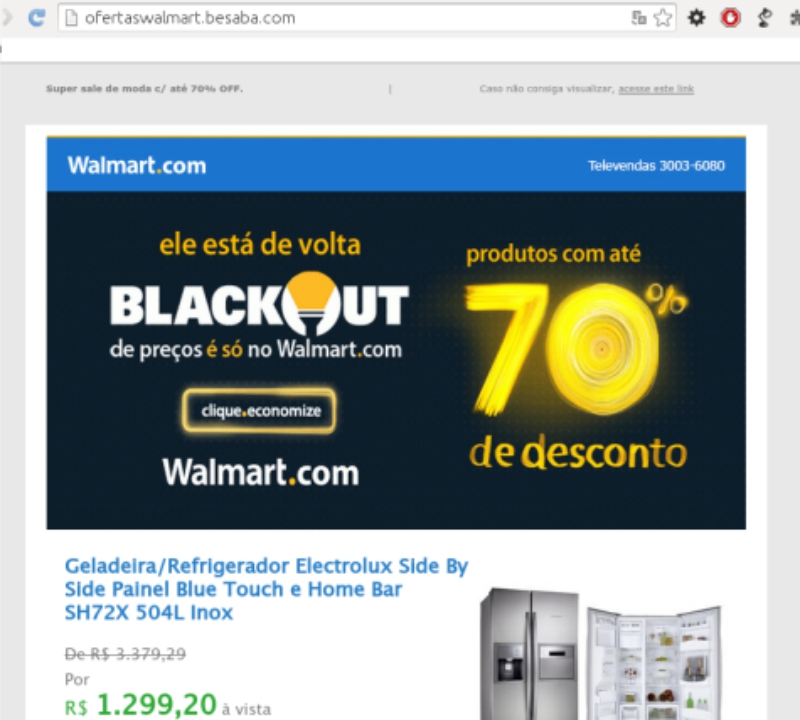
With the high expectations surrounding the promotions, opportunities, and discounts offered by the store, many users end up exhibiting impulsive behavior when accessing pages and providing their data. When this access occurs during work hours, this behavior can cause numerous losses for the company .
With so many threats present on the internet jeopardizing the information and confidentiality of data stored by the company, it becomes essential to seek strategies and tools that allow you to ensure greater security for your business.
How can the company protect itself against phishing during this period?
It is extremely important for the company to have an internet usage policy that helps raise employee awareness about the correct and safe use of the company's internet.
As we have seen, due to the cunning traps set during "Black Friday," it becomes necessary to have tools that help increase the security of company and employee data and information. One example is an internet control and blocking tool that helps prevent phishing scams and the consequences caused by this strategy.
This means that, with the help of this tool, the company can manage internet access patterns and block content that may pose a risk to the company's data and security, such as social networks, e-commerce sites, personal emails, and more.
Blocking websites might be the best solution
As you may have noticed, phishing attacks almost always come with malicious links , which, when clicked, can cause major problems for your company. The best solution to avoid clicking on them is definitely to block websites and domains considered harmful .
In short, by using an internet access control tool, all access to websites like the examples above will be automatically blocked by the tool, preventing cybercriminals from obtaining the data and information of the company or user accessing the site.
Below is a short video showcasing Lumiun Box , a Brazilian internet access control solution aimed at small and medium-sized businesses:
With a simple and intuitive interface , you can block website categories in just a few clicks.
Download the full Lumiun Box presentation and Lumiun Box more about the solution.
Until later!


